



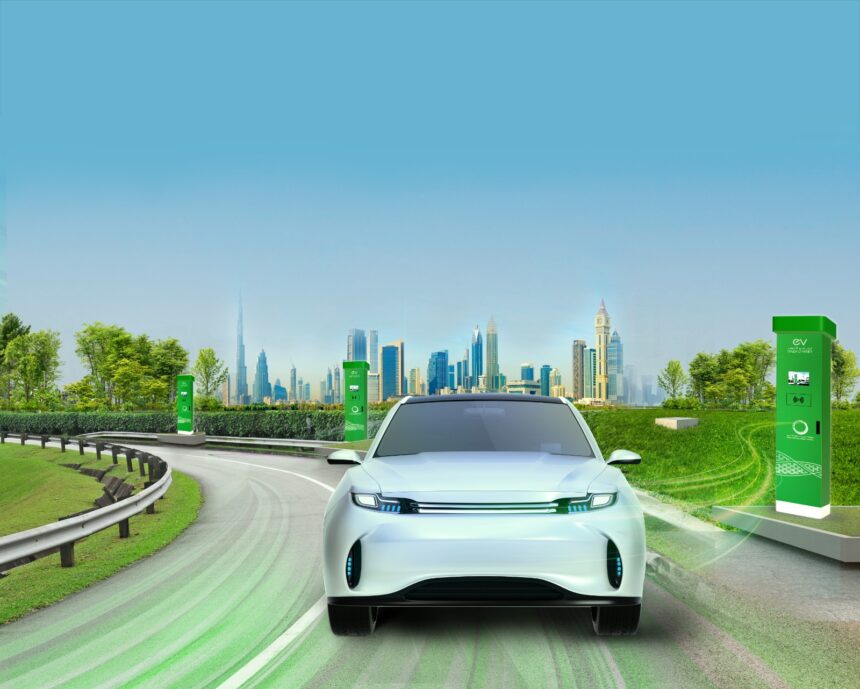
India is undergoing a significant transformation in its transportation sector, embracing green mobility to combat climate change, reduce pollution, and promote sustainable development. This shift is characterized by the adoption of electric vehicles (EVs), the development of charging infrastructure, and the implementation of supportive government policies. As India moves towards a greener future, it draws inspiration from global leaders like the USA and the UK, while also contributing to the global discourse on sustainable transportation.
Government Initiatives Driving the Green Mobility Agenda
The Indian government has introduced several initiatives to promote green mobility:
- FAME II (Faster Adoption and Manufacturing of Hybrid and Electric Vehicles): This scheme provides incentives for the purchase of electric vehicles and the establishment of charging infrastructure.
- PM e-Bus Sewa: Aiming to deploy 10,000 electric buses across the country, this initiative seeks to enhance public transportation and reduce urban air pollution.
- PLI (Production Linked Incentive) Scheme: Encouraging domestic manufacturing of electric vehicles and components, this scheme aims to make India a global hub for EV production.
- PM E-Drive: Focused on the development of electric vehicle technology and infrastructure, this initiative supports research and development in the EV sector.
These policies are part of India’s broader strategy to achieve 30% EV penetration by 2030 and to reduce its dependence on fossil fuels.
India’s Electric Vehicle Market: Growth and Challenges
India’s electric vehicle market is experiencing rapid growth:
- Market Size: The Indian EV market is projected to expand from $54.41 billion in 2025 to $110.7 billion by 2029, with a compound annual growth rate (CAGR) of 19.44% Cornell SC Johnson College of Business.
- Sales Growth: In Q1 2025, electric car sales grew by 45% year-on-year, nearing 35,000 units, indicating a significant uptick in adoption India Brand Equity Foundation.
- Challenges: Despite the growth, challenges such as high upfront costs, limited charging infrastructure, and range anxiety persist. For instance, Kerala witnessed a 20% decline in EV registrations from 2023 to 2024, primarily due to the revocation of tax concessions and stringent charging regulations The Times of India.
Global Comparison: India, USA, and UK
While India is making strides in green mobility, it faces challenges in catching up with global leaders:
- USA: The United States has a well-established EV market, with extensive charging infrastructure and a wide range of EV models. Policies like the Inflation Reduction Act have further accelerated EV adoption.
- UK: The United Kingdom has set ambitious targets to ban the sale of new petrol and diesel cars by 2030, promoting the adoption of electric vehicles through incentives and infrastructure development.
India’s EV penetration is currently about one-fifth of the global average, with significant adoption in two-wheelers and three-wheelers. However, the country is working towards scaling up its EV infrastructure and policy support to match global standards NITI AAYOG.
Innovations and Industry Developments
Several innovations are shaping India’s green mobility landscape:
- Electric Commercial Vehicles: Companies like Montra Electric have launched heavy-duty electric trucks, such as the Montra Rhino 5538 EV, featuring a 282 kWh battery and 2000 Nm torque, marking a significant step towards electrifying commercial transport The Times of India.
- Ride-Hailing Services: Uber has partnered with Refex Green Mobility to deploy 1,000 electric vehicles in major Indian cities by 2026, aligning with its global goal of providing 100% emission-free rides by 2040 The Times of India.
- Public Transport: Ahmedabad Municipal Transport Service plans to deploy approximately 3,000 electric buses by 2036 to accommodate the city’s growing population and enhance its public transport infrastructure The Times of India.
The Road Ahead: Challenges and Opportunities
India’s journey towards green mobility is promising but not without challenges:
- Infrastructure Development: Expanding the charging network and ensuring grid readiness are critical to supporting the growing number of electric vehicles.
- Consumer Awareness: Educating consumers about the benefits and feasibility of electric vehicles can drive adoption.
- Policy Consistency: Ensuring consistent and long-term policies will provide the stability needed for investments in the EV sector.
Despite these challenges, the opportunities are immense. The shift to green mobility can lead to reduced air pollution, decreased oil imports, and the creation of new jobs in the EV sector.
Conclusion
India’s move towards green mobility is a testament to its commitment to sustainable development. By learning from global leaders and addressing its unique challenges, India can pave the way for a cleaner, greener future. The government’s initiatives, coupled with innovations from the private sector, are steering the country towards a sustainable transportation ecosystem that can serve as a model for other nations.
India Ka Green Mobility Mission
India is aggressively moving towards green mobility, jahan focus hai pollution reduce karne, climate change ko tackle karne aur sustainable development ko promote karne par. Is shift ka center hai electric vehicles (EVs), charging infrastructure development, aur government ki supportive policies. India ke saath-saath USA, UK, Germany, aur China jaise countries bhi green mobility mein fast progress kar rahe hain.
Indian consumers ke liye ye transition ek naya experience hai – jahan traditional petrol-diesel vehicles slowly EVs se replace ho rahe hain. Aur ye trend urban aur rural areas dono mein grow kar raha hai.
Government Schemes & Policies: India Ki Push
India government ne green mobility promote karne ke liye kai schemes launch ki hain:
- FAME II (Faster Adoption and Manufacturing of Hybrid and Electric Vehicles): EV purchase aur charging infrastructure ke liye incentives provide karta hai.
- PM e-Bus Sewa: 10,000 electric buses deploy karne ka target, jo public transport aur pollution control dono mein help karega.
- PLI (Production Linked Incentive) Scheme: Domestic EV manufacturing boost karne ke liye, taaki India global EV hub ban sake.
- PM E-Drive: R&D aur innovation in EV technology ke liye support.
Ye initiatives India ko 2030 tak 30% EV penetration achieve karne mein madad karenge, aur fossil fuel dependence ko reduce karenge.
India’s EV Market: Growth Aur Challenges
India ka EV market abhi kaafi fast grow kar raha hai:
- Market Size: 2025 mein $54.4 billion se grow karke 2029 tak $110.7 billion tak reach karega, CAGR ~19.44% (ibef.org).
- Sales Growth: 2025 ke Q1 mein EV car sales 45% grow hui, ~35,000 units beche gaye.
- Challenges: High upfront cost, limited charging stations, aur range anxiety abhi bhi issue hain. Kerala mein 2023-24 ke beech EV registrations 20% ghat gaye, mainly tax concessions revoke hone aur strict regulations ke karan.
Global Comparison: India, USA, UK
India green mobility mein progress kar raha hai, lekin globally leaders se abhi piche hai:
- USA: EV market mature hai, extensive charging infrastructure aur wide model range ke saath. Inflation Reduction Act ne adoption aur accelerate kiya hai.
- UK: Petrol-diesel car sales 2030 tak ban karenge. Incentives aur EV-friendly policies kaafi strong hain.
- India: EV penetration abhi global average ka 1/5 hai. Mainly 2-wheelers aur 3-wheelers adopt ho rahe hain. Lekin government infrastructure aur policy support ko scale kar rahi hai (niti.gov.in).
Innovations & Industry Trends
- Electric Commercial Vehicles: Montra Electric ne heavy-duty e-trucks launch kiye jaise Montra Rhino 5538 EV, 282 kWh battery aur 2000 Nm torque ke saath (timesofindia.indiatimes.com).
- Ride-Hailing EVs: Uber ne Refex Green Mobility ke saath 1,000 EVs deploy karne ka plan announce kiya by 2026.
- Public Transport: Ahmedabad Municipal Transport Service 3,000 electric buses deploy karega by 2036.
Road Ahead: Opportunities & Challenges
Challenges:
- Charging infrastructure ka expansion
- Consumer awareness aur adoption
- Consistent aur long-term policies
Opportunities:
- Pollution reduce karna
- Oil imports reduce karna
- Job creation in EV sector
India ke liye ye ek golden opportunity hai ki green mobility ke zariye environment aur economy dono strong kiya ja sake.
Conclusion: India Ka Sustainable Transport Future
India ka green mobility transition ek clean, sustainable aur modern transport ecosystem create kar raha hai. Government initiatives, private sector innovations aur global best practices ka mix India ko aage le ja raha hai. USA aur UK ke saath comparison se clear hai ki India sahi direction mein hai, aur next decade mein green transport ka major hub ban sakta hai.