




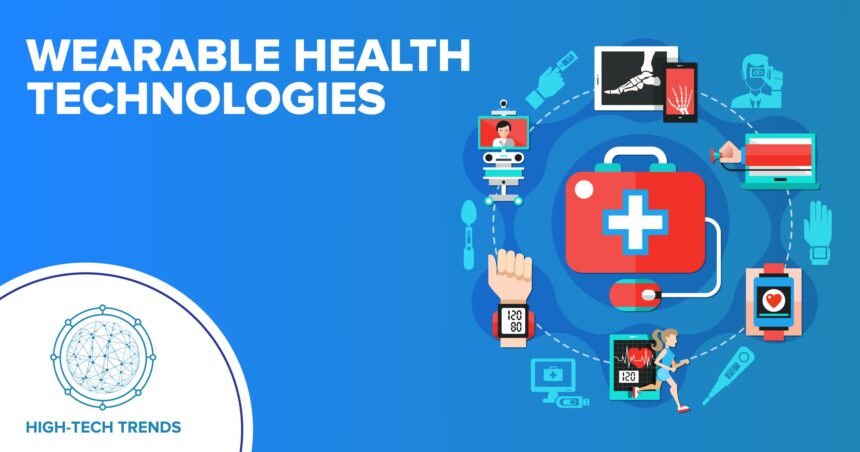
Infertility is no longer treated only inside hospital walls. In the United States, IVF clinics are now integrating wearable health technology, artificial intelligence and real-time biometric monitoring to transform how fertility treatment works. Smart watches, fertility bands, continuous hormone trackers and mobile health apps are becoming core components of modern reproductive medicine.
This revolution is changing the emotional, medical and financial journey of couples trying to conceive. The future of IVF is not only inside the lab but also on your wrist.
Top 10 Countries Leading IVF And Wearable Health Tech Integration
United States
United Kingdom
Canada
Australia
India
Germany
Netherlands
Sweden
Singapore
Japan
Why The United States Is Driving The Smart IVF Movement
The United States has the world’s most advanced IVF infrastructure and the largest digital health startup ecosystem. Clinics across California, New York, Texas and Massachusetts now use wearable health data to personalize treatment cycles.
Smart devices collect real-time information about sleep patterns, heart rate variability, body temperature, stress levels and activity trends. This data is fed into AI powered fertility platforms that adjust medication timing, embryo transfer windows and hormone dosing with extreme precision.
Because Silicon Valley already dominates health technology innovation, it was natural for IVF to become the next frontier of digital disruption.
How Wearable Health Tech Improves IVF Success Rates
Traditional IVF relied heavily on blood tests and ultrasound scans. Today wearable devices add a continuous layer of physiological data.
Smart fertility bands monitor basal body temperature shifts that indicate ovulation timing. Advanced smartwatches track stress and sleep quality which directly affect hormone balance. Some experimental biosensors are now testing sweat and saliva hormone patterns.
This data helps doctors understand micro changes in the body that standard clinic visits often miss. The result is better cycle timing, fewer failed transfers and reduced emotional stress for patients.
Global Adoption Beyond The US
In the United Kingdom fertility clinics in London and Manchester are integrating wearable monitoring for personalized hormone therapy.
In Canada Toronto based IVF centers are testing AI driven fertility platforms.
In Australia Sydney and Melbourne are embracing smart fertility tracking to reduce clinic visits.
In Germany and the Netherlands IVF labs are using biometric datasets for embryo quality prediction.
In Sweden quantified self technology is becoming part of fertility wellness programs.
In India clinics in Bangalore and Mumbai are starting to use app based fertility tracking tools.
In Singapore digital health companies are partnering with IVF centers for predictive analytics.
In Japan wearable medical devices are being refined to support aging fertility demographics.
AI And Big Data Inside Fertility Clinics
Wearables are only one part of the ecosystem. AI algorithms analyze years of fertility outcome data to predict the best treatment path for each patient.
Machine learning models now assess embryo development patterns, hormone fluctuations and lifestyle factors simultaneously. This reduces trial and error in IVF cycles and significantly lowers treatment costs.
The United States leads this research but cross border data collaboration is pushing global adoption.
Emotional And Psychological Benefits
IVF is mentally exhausting. Wearable health tech offers emotional reassurance. Patients feel empowered when they can visualize their body’s progress instead of waiting weeks for test results.
Stress reduction through guided breathing apps, sleep coaching and real time alerts has been proven to improve fertility outcomes. The psychological layer is becoming just as important as the medical one.
Why This Topic Is Going Viral
Search interest for terms like smart IVF technology, wearable fertility tracking, AI in IVF treatment and digital fertility clinics is rising rapidly across all top ten countries. Couples want transparency, control and smarter solutions for parenthood.
The fusion of technology and fertility is no longer experimental. It is becoming the global standard.
Final Thoughts
IVF is no longer just a medical procedure. It is now a data driven lifestyle journey powered by wearables, artificial intelligence and human centered design.
From the United States to India and from Sweden to Japan, the world is entering the era of smart fertility. Parenthood is being redefined not only by science but by technology you can wear.